Transportation
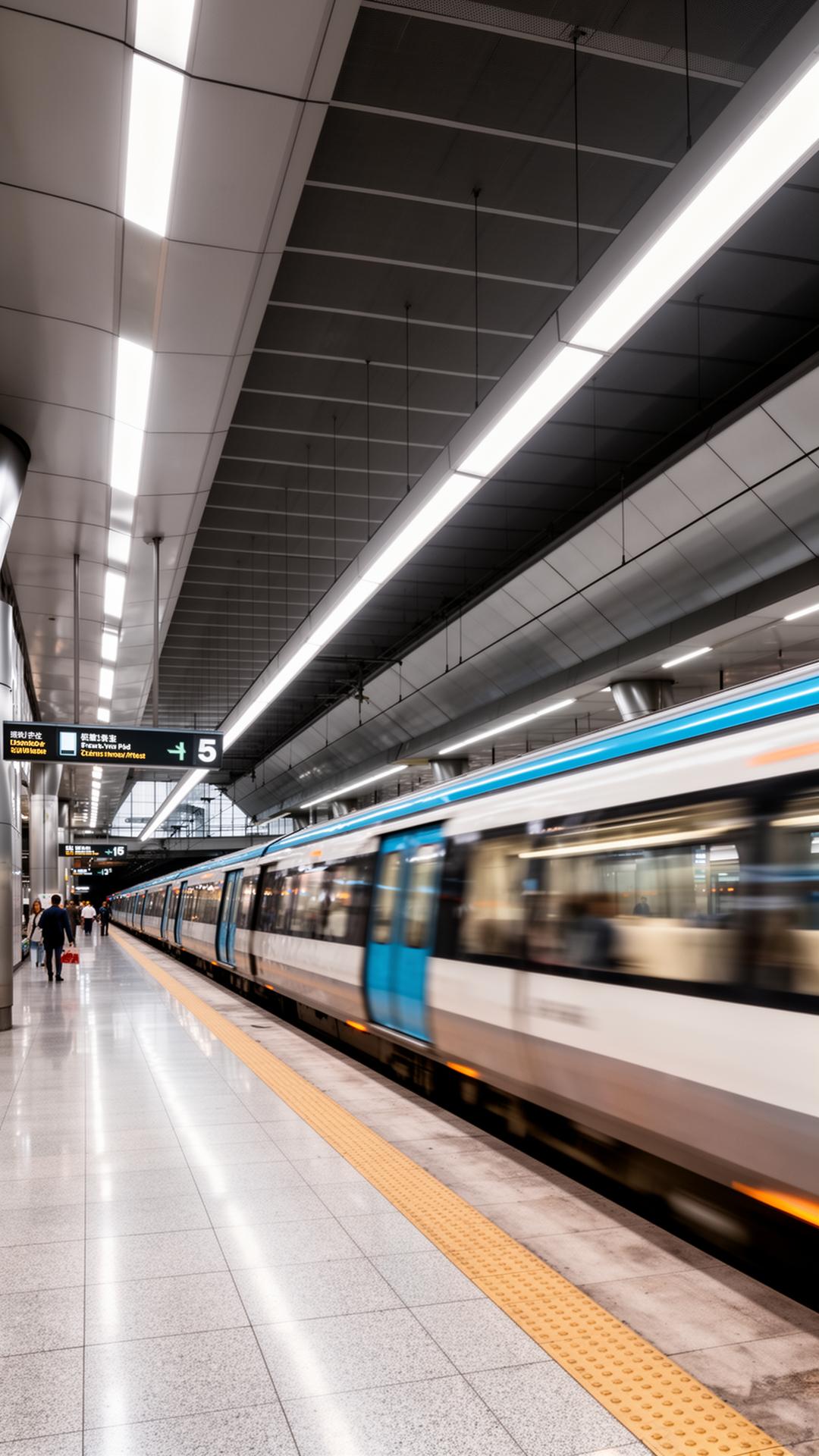
Transportation projects are not only construction projects; they are systems-integration programmes. Rail, metro, airports, roads, ports and logistics corridors depend on access windows, operations interfaces, certification, testing, safety approvals and handover readiness. Commercial control depends on understanding the route from physical work to operational service.
How do we keep transport networks moving while we build them?
Transportation projects — aviation, rail, road, bridges, ports and marine — are defined by intense interface management, live operations and demanding stakeholder environments. Capital Contracts supports owners and contractors through procurement, controls, claims and dispute avoidance.
We help teams hold programme reliability through possession-based works, multi-package interfaces and authority-driven change — protecting both commercial position and operational continuity.
Explore our transportation insights
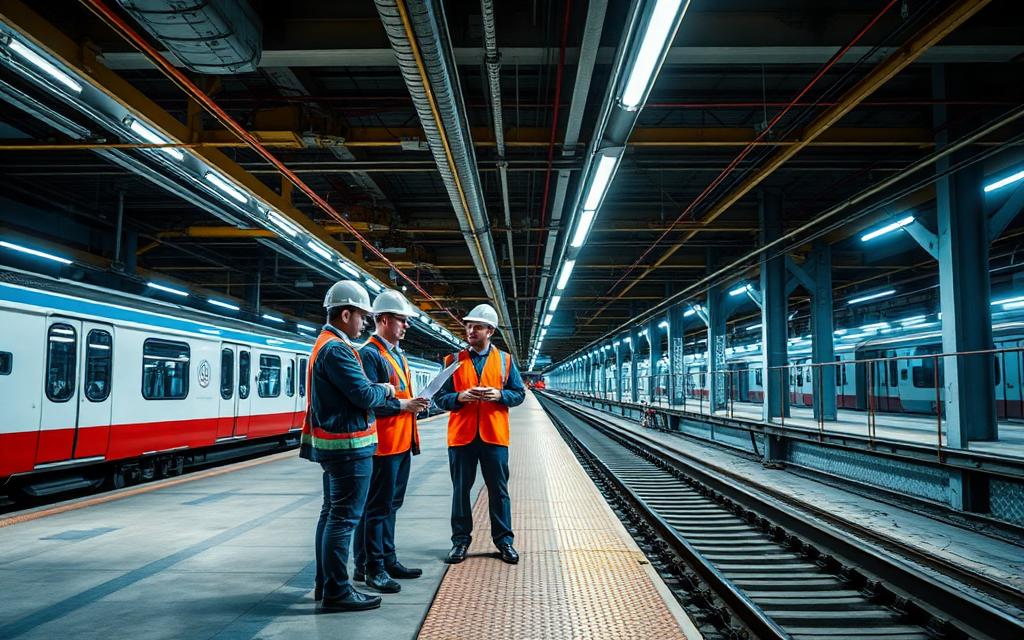
Perspective: Rail and Metro Projects Are Interface Projects Before They Are Construction Projects
Rail, metro and transit programmes depend on civil works, systems, rolling stock, stations, signalling, testing and operations interfaces. Commercial control depends on managing those interfaces early.
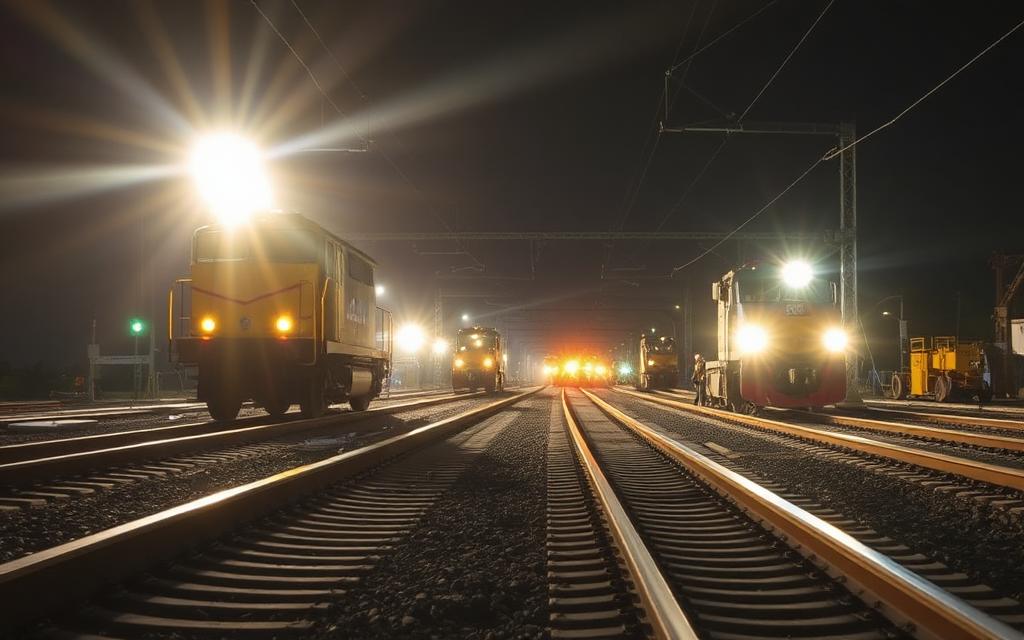
Perspective: Possessions, Access Windows and Operational Constraints Drive Transport Claims
In live transport environments, the right to work may be limited by possessions, shutdowns, traffic management or operational windows. Access records become essential claim evidence.
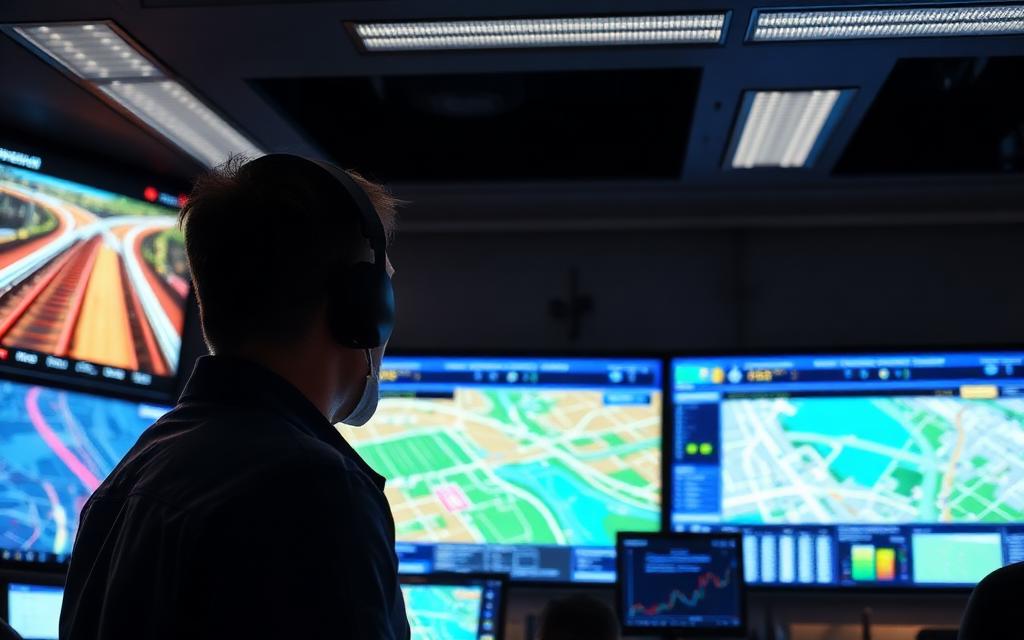
Perspective: Transport Project Reporting Must Show Operational Readiness, Not Just Construction Progress
For transport assets, practical completion is not the end of the story. Executives need visibility of testing, certification, operator readiness and handover risk.