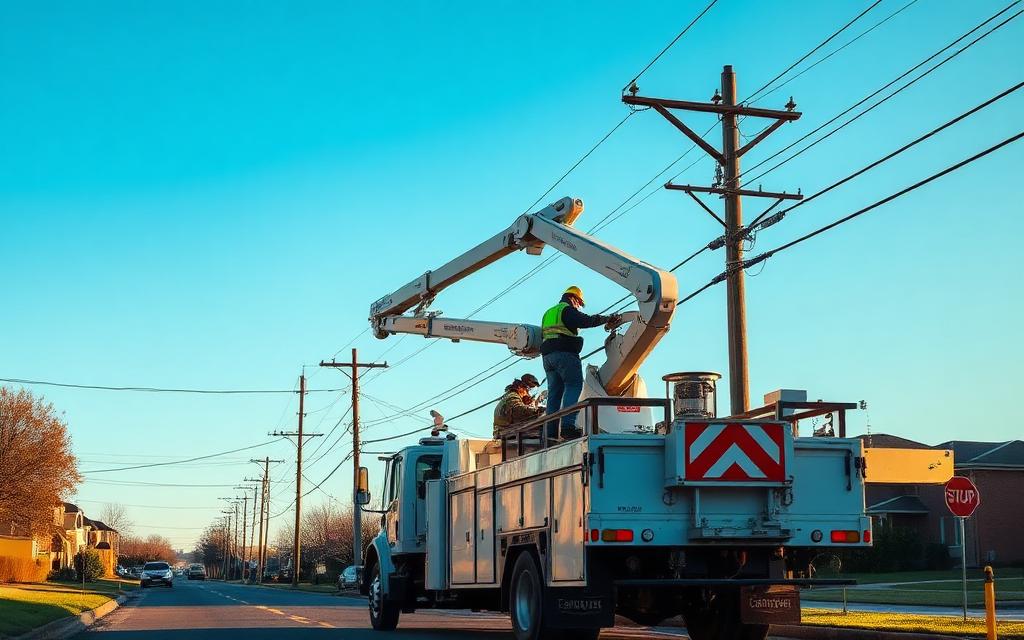
Utility relocation delays are common, but claims succeed only when baseline assumptions, access constraints, third-party actions and actual impact are properly recorded.
Perspective
Utility relocation is a recurring source of delay in infrastructure and development projects. Existing services may be inaccurately mapped, authorities may require additional approvals, utility owners may have limited availability, or relocation works may conflict with other activities. These issues can affect access, sequence and productivity.
A strong claim requires baseline evidence. What utilities were known? What assumptions were made? Who was responsible for investigation and relocation? What dates were planned? What access was required? What changed? Without that evidence, the issue becomes a general complaint rather than a contractual claim.
Utility records should include surveys, permits, correspondence with utility owners, access logs, outage approvals, relocation programmes, photographs, inspection records and progress updates.
Capital Contracts helps clients structure utility relocation evidence, preserve notices and connect third-party delay to programme and commercial impact.
This article is general professional insight and is not legal advice. Contract rights and procedures depend on the governing law, contract wording, project facts, notices, records and dispute forum.
Report incorrect or missing content
Spotted an error, an outdated reference, or missing context? Let us know so we can improve this insight.