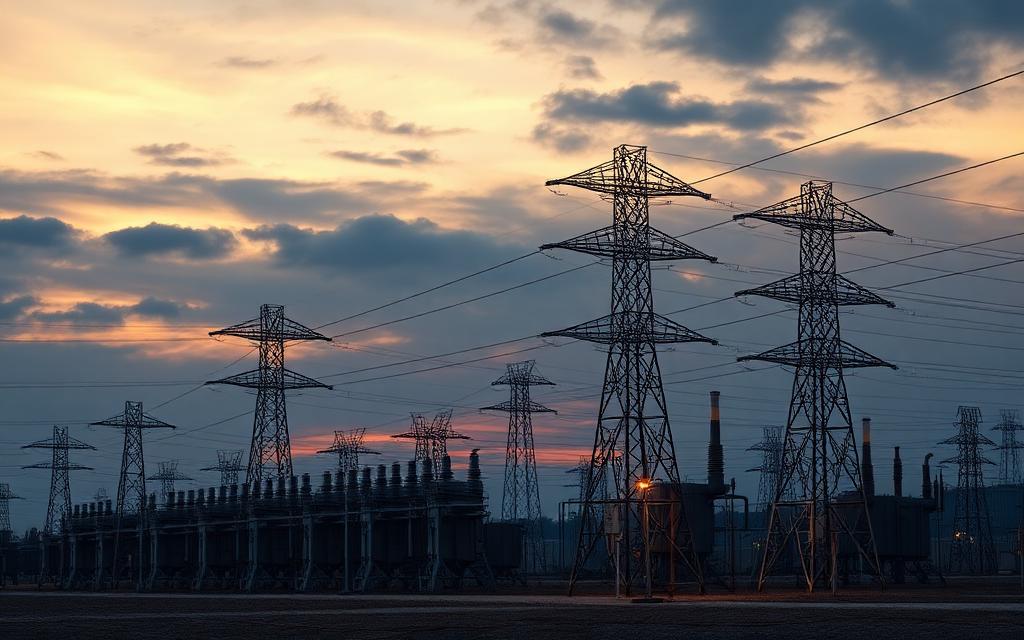
Grid and utility projects face demand growth, connection pressure, permitting constraints and equipment lead times. Contract and controls systems must expose risk before milestones slip.
Perspective
Power and utility infrastructure is under increasing pressure from electrification, clean energy integration, data centres, industrial demand, urban growth and reliability expectations. This creates a delivery environment where grid connections, substations, transmission lines, distribution upgrades, water systems and utility relocations must be managed with stronger contractual and controls discipline.
Grid projects often depend on long-lead equipment, outage windows, land access, permits, environmental approvals, third-party coordination and commissioning sequences. If these dependencies are not visible in the schedule and risk register, the project may appear stable until a key milestone is missed.
Risk visibility should include procurement status, factory acceptance tests, delivery routes, outage windows, energisation requirements, authority approvals, interface obligations and commissioning records. Commercial reporting should connect these risks to potential time and cost exposure.
Power and utilities projects need controls that show dependency risk early. Capital Contracts helps clients connect schedule, procurement, interface and contract administration into decision-ready reporting.
This article is general professional insight and is not legal advice. Contract rights and procedures depend on the governing law, contract wording, project facts, notices, records and dispute forum.
Report incorrect or missing content
Spotted an error, an outdated reference, or missing context? Let us know so we can improve this insight.