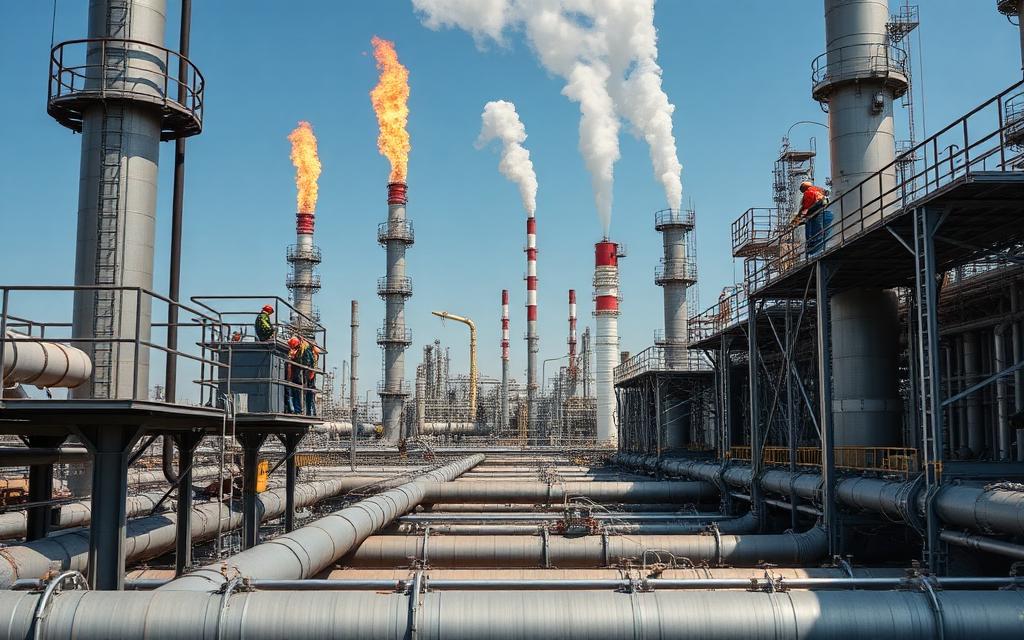
Shutdowns, tie-ins and live facility interfaces carry concentrated delay risk. If the window is missed or changed, the commercial consequences can be significant.
Perspective
Oil and gas projects frequently depend on shutdown windows, tie-ins, brownfield access, safety permits, SIMOPS constraints and operator readiness. These windows are often short, high-pressure and expensive. A missed tie-in can delay completion, defer production, increase standby costs and trigger claims.
The project must define who controls the window, what prerequisites apply, what happens if access is unavailable, how readiness is proven and what records are required. Contractors should maintain readiness evidence. Employers and operators should document constraints and decisions. If a window changes, notices and mitigation plans should be issued immediately.
Shutdown and tie-in claims require precise records: permit status, work packs, manpower, equipment readiness, isolation plans, safety approvals, access logs, delay events and actual work achieved.
Capital Contracts supports clients in preparing shutdown readiness records, access claim evidence and commercial assessments for high-risk oil and gas interface events.
This article is general professional insight and is not legal advice. Contract rights and procedures depend on the governing law, contract wording, project facts, notices, records and dispute forum.
Report incorrect or missing content
Spotted an error, an outdated reference, or missing context? Let us know so we can improve this insight.