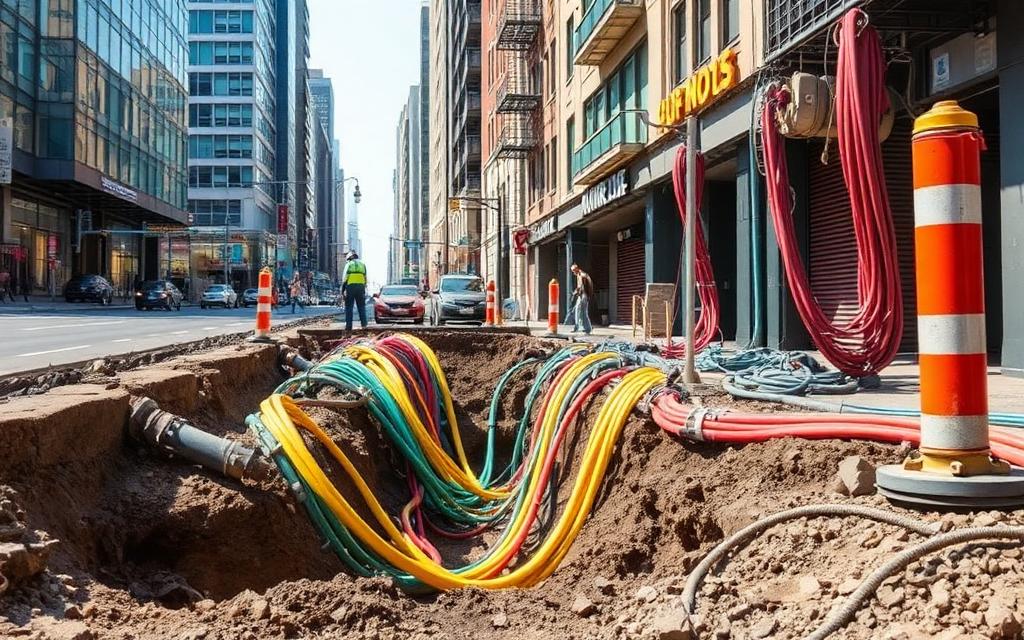
Utility diversions, authority approvals and third-party works often sit outside direct contractor control, yet they can determine the critical path. They require contract-specific administration.
Perspective
In infrastructure projects, third-party interfaces are often treated as enabling activities. In reality, they can become critical path drivers. Utility diversions, land access, authority approvals, traffic diversions, environmental permits, rail possessions, marine windows and stakeholder approvals can delay the works even when the contractor’s direct production activities are ready.
The contractual treatment of these interfaces must be understood from the start. Who is responsible for obtaining approvals? Who coordinates the utility company? Who carries delay risk if third-party works are late? What notices are required? What records prove prevention or lack of access? These questions should not be answered after delay occurs.
A third-party interface register should identify dependency, owner, required date, current status, risk rating, records and escalation route. If the interface affects progress, it should be connected to the programme and commercial exposure.
Third-party delay is difficult because responsibility is often blurred. Capital Contracts helps infrastructure clients clarify interface obligations, preserve notices and build evidence around access, authority and utility constraints.
This article is general professional insight and is not legal advice. Contract rights and procedures depend on the governing law, contract wording, project facts, notices, records and dispute forum.
Report incorrect or missing content
Spotted an error, an outdated reference, or missing context? Let us know so we can improve this insight.