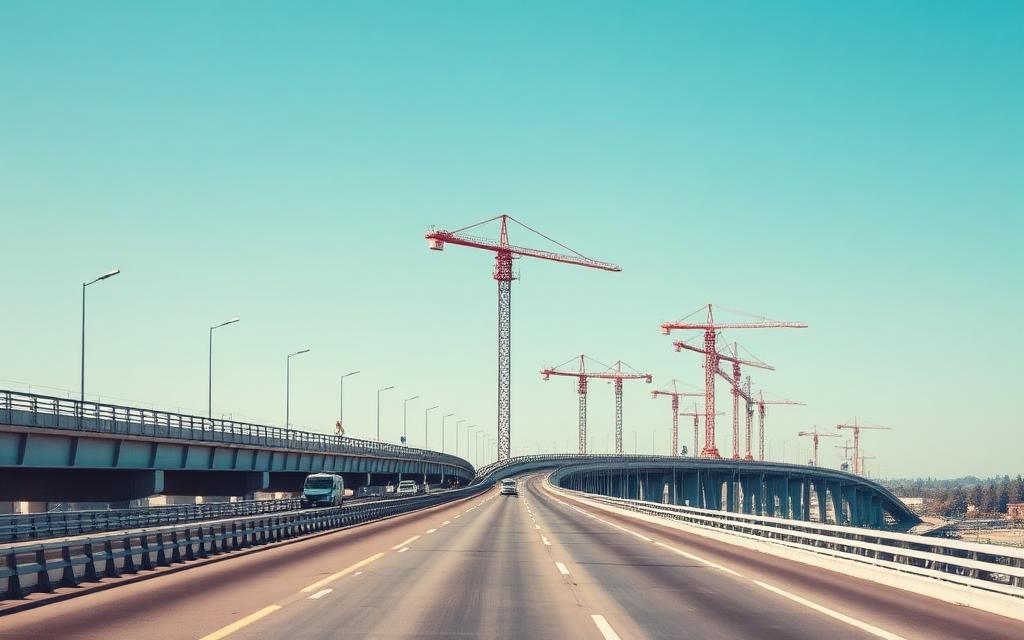
Large infrastructure projects face political, public, technical and interface pressures. Commercial governance must begin before the project is already locked into delay and cost escalation.
Perspective
Infrastructure projects are rarely simple construction exercises. Roads, bridges, airports, ports, water systems, rail corridors and urban infrastructure must operate within public expectations, land constraints, permitting requirements, utilities interfaces, traffic management, environmental obligations and stakeholder scrutiny. These pressures can create delay and cost exposure long before the main works appear to be in difficulty.
Commercial governance should begin at procurement and continue through delivery. The project should define risk ownership, change approval routes, reporting requirements, claims procedures, escalation thresholds and decision rights. Without this structure, unresolved issues can accumulate beneath the formal reporting layer until recovery becomes politically and commercially difficult.
Infrastructure contracts often involve multiple packages. Each package may perform acceptably in isolation while the overall programme suffers from interfaces. Executive reporting must therefore show portfolio-level exposure, not only individual contract status.
Infrastructure delivery needs governance that connects contract, cost, schedule, risk and stakeholder obligations. Capital Contracts helps clients establish practical controls that make project exposure visible early.
This article is general professional insight and is not legal advice. Contract rights and procedures depend on the governing law, contract wording, project facts, notices, records and dispute forum.
Report incorrect or missing content
Spotted an error, an outdated reference, or missing context? Let us know so we can improve this insight.