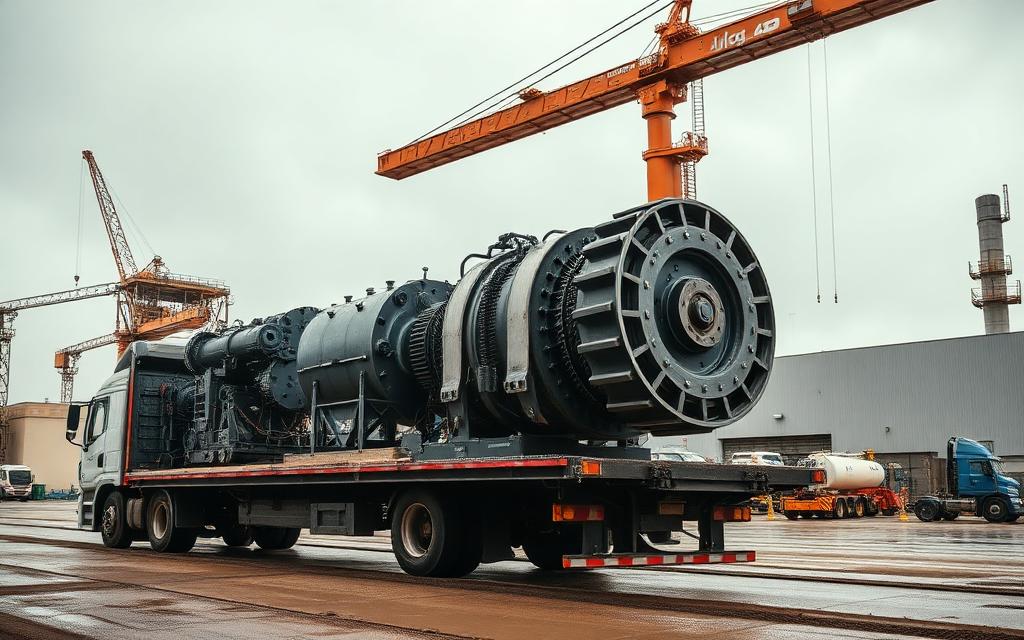
Long-lead equipment, vendor information, factory testing and installation sequencing can determine completion. Procurement must be integrated into contract administration and project controls.
Perspective
Industrial projects often depend on specialist equipment: production lines, conveyors, process systems, packaging equipment, cranes, electrical systems, automation, HVAC, utilities and control systems. These items may drive the critical path more than building works. Yet procurement is sometimes reported separately from the main schedule.
A strong industrial controls system tracks vendor selection, design information, approvals, manufacturing, factory acceptance testing, shipping, customs, delivery, installation, site acceptance testing and commissioning. Each stage should be connected to contract obligations and commercial exposure.
If equipment is late, the claim position depends on why. Was approval delayed? Did the vendor fail? Did specifications change? Were site conditions ready? Were utilities available? Procurement records are therefore claim records.
Capital Contracts supports industrial clients with procurement-integrated project controls, delay analysis and contract administration for equipment-driven projects.
This article is general professional insight and is not legal advice. Contract rights and procedures depend on the governing law, contract wording, project facts, notices, records and dispute forum.
Report incorrect or missing content
Spotted an error, an outdated reference, or missing context? Let us know so we can improve this insight.