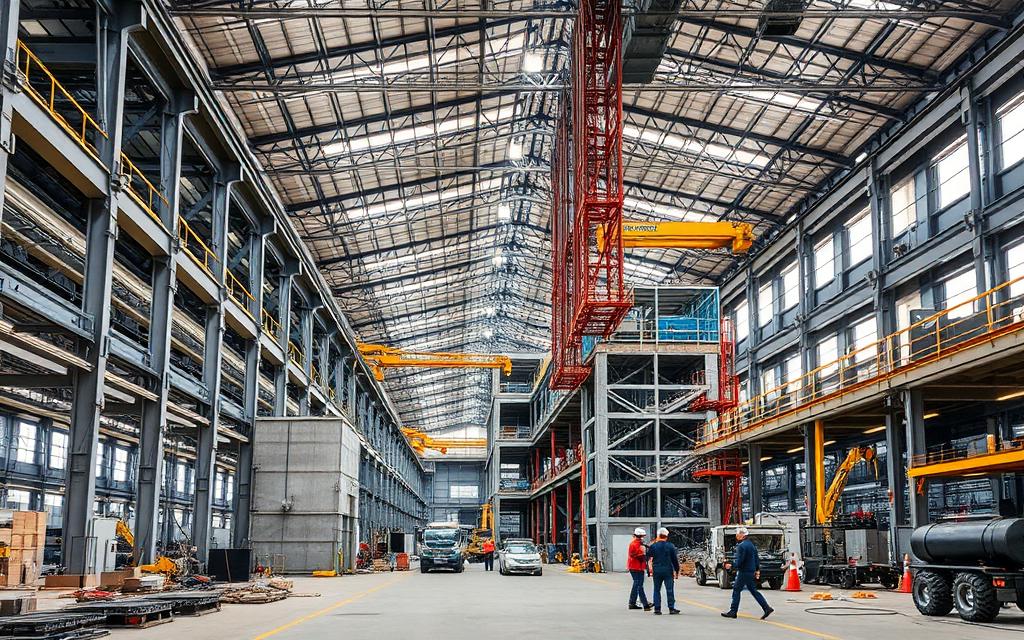
Industrial projects succeed when construction, equipment installation, commissioning, operator training and production readiness are managed as one integrated delivery path.
Perspective
Industrial facilities are not complete when the building is finished. A factory, processing plant, logistics facility or manufacturing campus must integrate civil works, structural works, process equipment, utilities, automation, controls, safety systems, testing, operator training and production readiness. If these workstreams are managed separately, the facility may be physically complete but operationally unready.
The project schedule should therefore include equipment delivery, installation, utility connections, automation integration, commissioning, trial production, permits, training and handover. Commercial reporting should identify risks that affect operational start-up, not only construction completion.
Claims and disputes often arise when production readiness is delayed by unclear responsibility. Was the delay caused by late equipment, incomplete utilities, contractor defects, operator readiness, changed process requirements or authority approvals? The answer depends on records and contractual allocation.
Capital Contracts helps industrial clients connect construction progress, commissioning readiness, operational handover and commercial exposure into one controlled delivery framework.
This article is general professional insight and is not legal advice. Contract rights and procedures depend on the governing law, contract wording, project facts, notices, records and dispute forum.
Report incorrect or missing content
Spotted an error, an outdated reference, or missing context? Let us know so we can improve this insight.