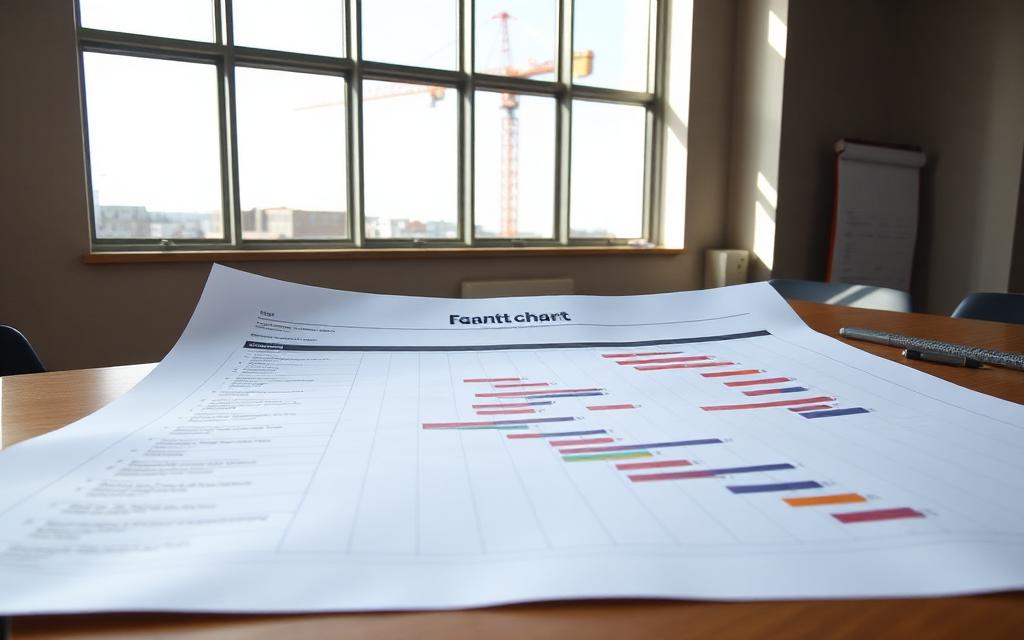
A construction programme is only useful as claim evidence if it is logic-driven, updated honestly and supported by site records. A beautiful programme can still fail if it does not reflect actual delivery.
Perspective
Construction programmes are often used for coordination, reporting and payment, but not always maintained to a standard that supports claims. When delay occurs, the programme suddenly becomes evidence. At that point, weaknesses in logic, progress updates, constraints, calendars, sequencing and critical path analysis become commercially significant.
A programme may fail as evidence because the baseline was unrealistic, updates were not approved, progress was entered inconsistently, logic was overridden, activities were too broad, actual dates were missing, or mitigation was not recorded. In some projects, the programme is treated as a reporting graphic rather than a management tool. That approach may satisfy monthly meetings but will struggle under delay scrutiny.
To support claims, construction programmes should be integrated with site records. Delay events should be linked to affected activities. Progress photographs and daily reports should support actual dates. Lookahead plans should show mitigation attempts. Narrative reports should explain critical path movement. If the programme changes because of resequencing, the reason should be documented.
Delay analysis begins during delivery, not after completion. Capital Contracts helps construction clients review programme quality, structure delay event registers, connect records to schedule movement and prepare EOT narratives that are technically and contractually coherent.
This article is general professional insight and is not legal advice. Contract rights and procedures depend on the governing law, contract wording, project facts, notices, records and dispute forum.
Report incorrect or missing content
Spotted an error, an outdated reference, or missing context? Let us know so we can improve this insight.